
Critical Incident Command Training for Law Enforcement
Overview
When a critical incident strikes, whether it’s an active shooter, hostage barricade, homicide, robbery, mass casualty event, or natural disaster, the first minutes set the tone for everything that follows.
Critical Incident Response / Command and Control transcends the preparation for SWAT and provides law enforcement agencies with the mindset, tools, and decision-making frameworks to lead under pressure, make life-saving choices, and coordinate seamless multi-agency, multi-jurisdictional responses.
Without this level of preparedness, agencies risk falling into chaos when every second counts. This training isn’t just essential — it’s the backbone of surviving the worst days on the job.
Use Cases
- Ideal for patrol supervisors, first-line and mid-level command staff, and first responders who regularly handle Priority 1 and high-risk calls.
- Applicable to agencies of all sizes, from small-town departments to large metropolitan police forces and sheriff’s offices.
- Designed for any law enforcement or public safety team that must coordinate interagency responses, manage critical incident command posts, and make real-time tactical decisions under stress.
- Highly relevant for teams preparing for incidents like active threats, barricaded suspects, natural disasters, large-scale protests, or any event requiring coordinated command and control.
Upcoming Training Events
Critical Incident Response (2-day Course)
Critical Incident Response – Command and Control (CIRC)
November 4 @ 8:00 am - November 5 @ 4:00 pm at Puyallup Police DepartmentCritical Incident Response – Command and Control (CIRC)
April 21, 2027 @ 8:00 am - April 22, 2027 @ 4:00 pm at Post Falls Police Department Training Center

What Our Courses Teach

Where Traditional ICS meets Tactical Incident Command
Incident Command System (ICS) principles provide structure — but tactical incidents demand more than just structure; they require rapid decision-making under extreme stress. That’s where Tactical Incident Command (T-IC) comes in.
Our training teaches officers and supervisors how to operationalize ICS in real time — applying it in fast-moving, high-threat environments like active shooter scenes, officer down calls, and multi-site response operations. Participants will learn how to bridge command protocols with actionable field tactics, ensuring alignment between first responders, command posts, and external agency support.
By blending ICS with real-world crisis intervention methods, this course strengthens communication, improves officer safety, and reinforces the command mindset needed to lead during unpredictable emergencies.
Steps in Managing a Critical Incident
Whether responding to a barricaded suspect or a mass casualty event, there’s a proven flow to managing a critical incident; this training walks participants through every phase.
Topics include:
- Preparing officers for dispatch and in-progress scene arrival
- Establishing perimeters and setting tactical priorities
- Activating mutual aid and coordinating multi-agency operations
- Setting up psychological first aid support and ensuring CISM team access
- Transitioning command from tactical to investigative control
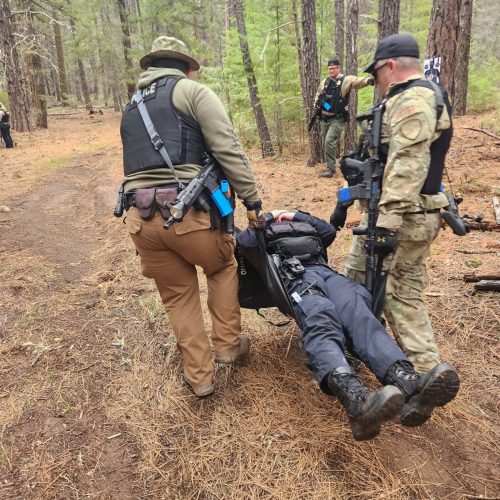
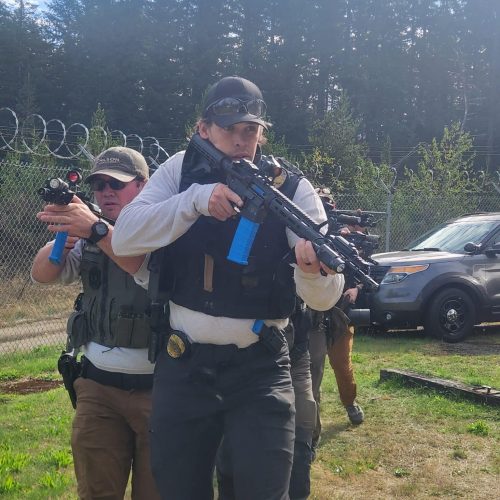
Each segment is brought to life with scenario-based workshops and instructor-led debriefs of real world incidents.
Field-Tested Strategies in Multi-Agency Responses
Critical incidents don’t respect jurisdictional lines, and neither should your training. This session focuses on the unique challenges of multi-agency and multi-jurisdictional coordination, using field-tested strategies developed by instructors with operational experience at the local, state, and federal levels.
Participants will develop:
- Skills in interoperable communication
- Tactical and command team integration
- Leadership flexibility within unified command structures
- Methods to mitigate conflict during overlapping authority or unclear boundaries
These lessons apply to everything from natural disasters and major events to coordinated felony apprehensions and crowd control operations.
Command Post Establishment & Resource Management
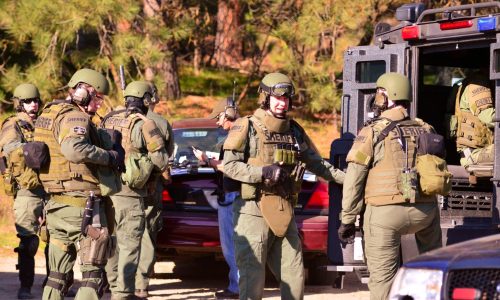
Establishing an effective Command Post (CP) goes beyond setting up a physical location, it’s about creating a functional hub for command, communication, and coordination under stress.
You will learn to identify and secure optimal CP locations during evolving incidents while organizing resources, tracking deployments, and managing real-time updates
Words From our clients
Frequently Asked Questions
Priority 1 refers to the most urgent, life-threatening calls requiring immediate police response — active shooters, officer down, violent in-progress crimes, major accidents, or any situation where lives are at imminent risk. These calls demand rapid coordination, decisive leadership, and tactical control under extreme pressure.
Tactical Incident Command (T-IC) is the fusion of command authority and tactical application at the operational edge, where decisions meet danger. Unlike traditional ICS, which often stays at the strategic or administrative level, T-IC lives in the real-time , boots-on-the-ground space where patrol supervisors and field commanders coordinate fast-evolving incidents. It’s about immediate control of dynamic threats: setting perimeters, managing contact teams, directing resources, and making split-second decisions that balance mission objectives, officer safety, and public protection. T-IC doesn’t replace ICS, it sharpens it into a real-world, actionable framework for law enforcement working under extreme pressure.
This course is designed for both, first-line supervisors (sergeants, corporals, lead officers) who manage patrol or specialty teams on scene, as well as command staff (lieutenants, captains, chiefs) who oversee large-scale operations. Even experienced line officers can benefit by understanding how to work within an effective command system.
Yes — many of our courses are POST certified or eligible for Continuing Education (CE) or Continuing Education Units (CEUs) depending on your state. Contact us directly to confirm eligibility in your jurisdiction.
Absolutely. We tailor every training to match the size, resources, and operational realities of the agency, whether it’s a small rural department or a large metropolitan unit. The principles of command and control apply at every level.
Yes! We specialize in mobile training delivery, Altitude Risk Mitigation travel nationwide to bring hands-on, realistic training directly to your agency, using your own facilities, equipment, and operational environment for maximum relevance.